


 Sell on Robu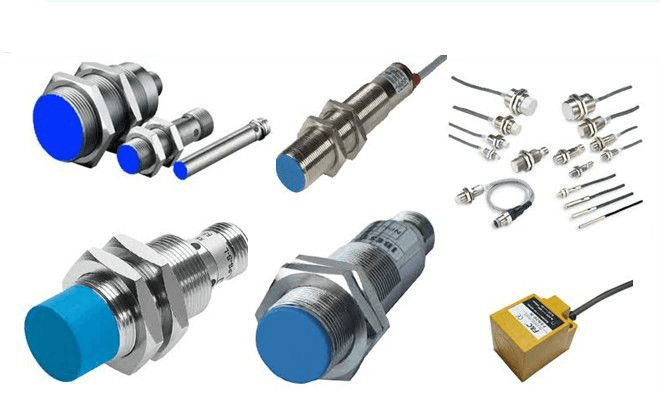


In the last blog post, we have learned about the basics of proximity sensor and it's working. Now in this blog we are going to learn about the different types of the proximity sensor, their specifications and working.
The proximity sensors are available in different categories as per their detection. Some proximity sensors are useful to detect materials; whereas some are useful to detect different environmental conditions upon these classifications proximity sensors types are as follow.
According with the non contact object detection method, there are five types of proximity sensor. They are,
- Inductive Proximity Sensor.
- Optical Proximity Sensor.
- Capacitive Proximity Sensor.
- Magnetic Proximity Sensor.
- Ultrasonic proximity Sensor.
Let, we will discuss basic working principle of these five sensor.
1. Inductive Proximity Sensor
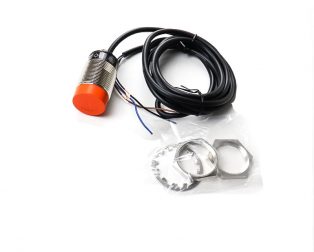
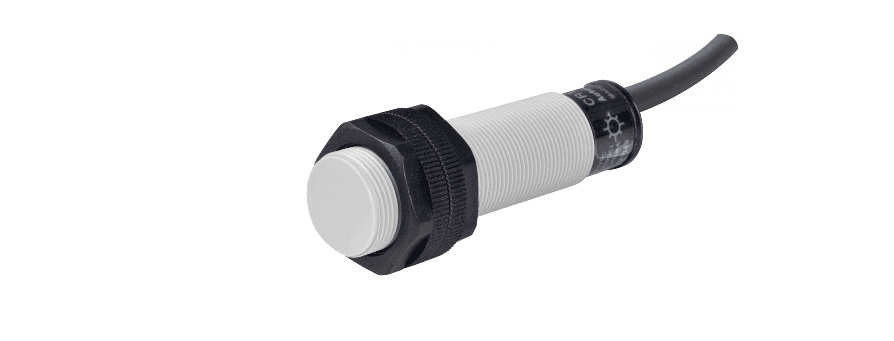
The inductive proximity sensors are useful to detect the metallic object which is present next to their active side. This sensor operate under the electrical principal of inductance; where a fluctuating current induces an electromotive force(EMF) in a target object.
2. Optical Proximity Sensor
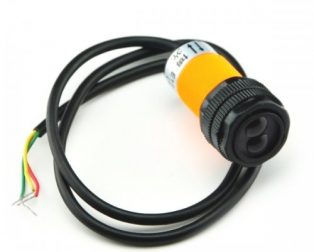
A complete optical proximity sensors includes a light source, and a sensor that detects the light. These sensors detect objects directly in front of them by the detecting the sensor’s own transmitted light reflected back from an object’s surface.
3. Capacitive Proximity Sensor
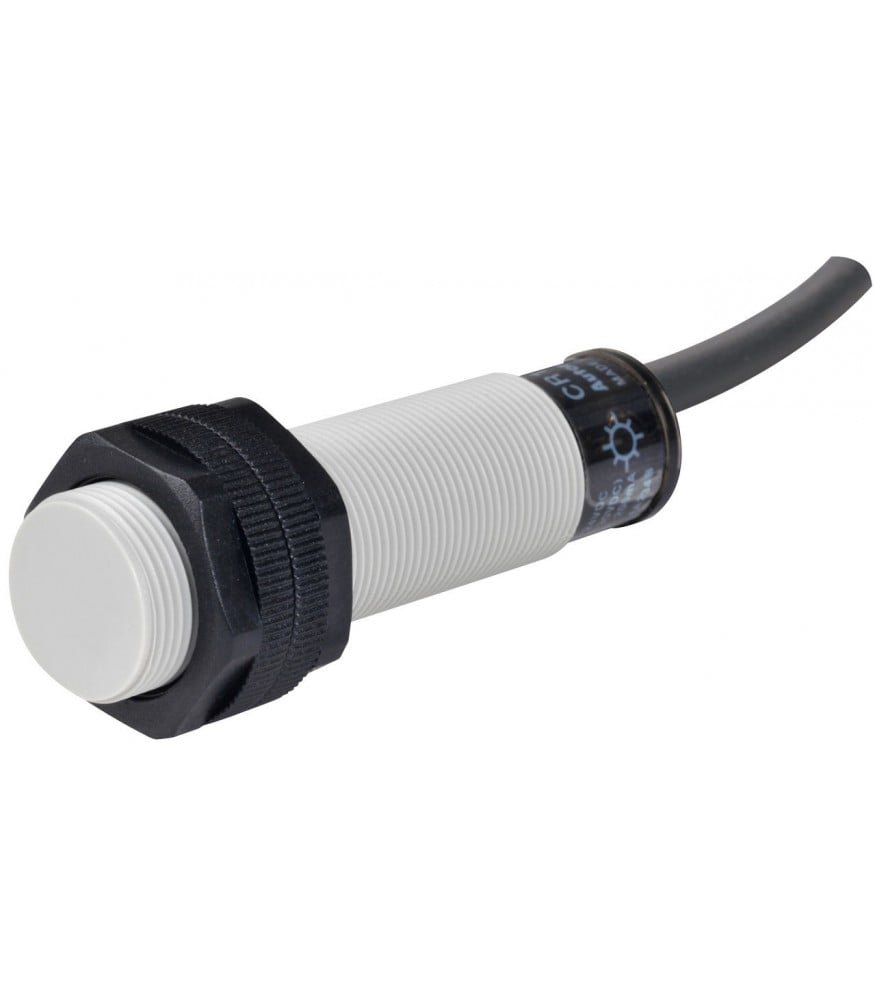
The capacitive proximity sensors can detect both metallic and non-metallic targets in powder, granulate, liquid, and solid form. The capacitive proximity sensors use the variance in the capacitance of the sensor to concluded that an object has been detected.
4. Magnetic Proximity Sensor
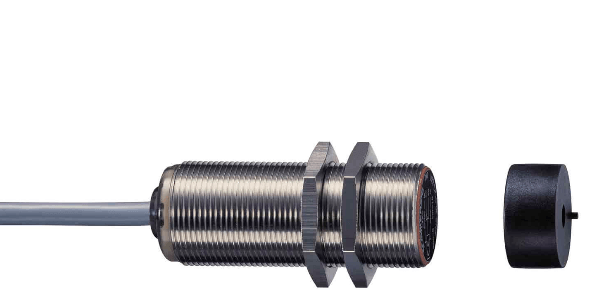
Base on the mechanical principle, this sensor only detects the magnetic field(e.g. Permanent magnet). They sense the presence of a magnetic object, commonly referred to as the target. The target, characterized by its magnetic field, triggers the switching process; when it enters the detection range of the sensor.
5. Ultrasonic Proximity Sensor
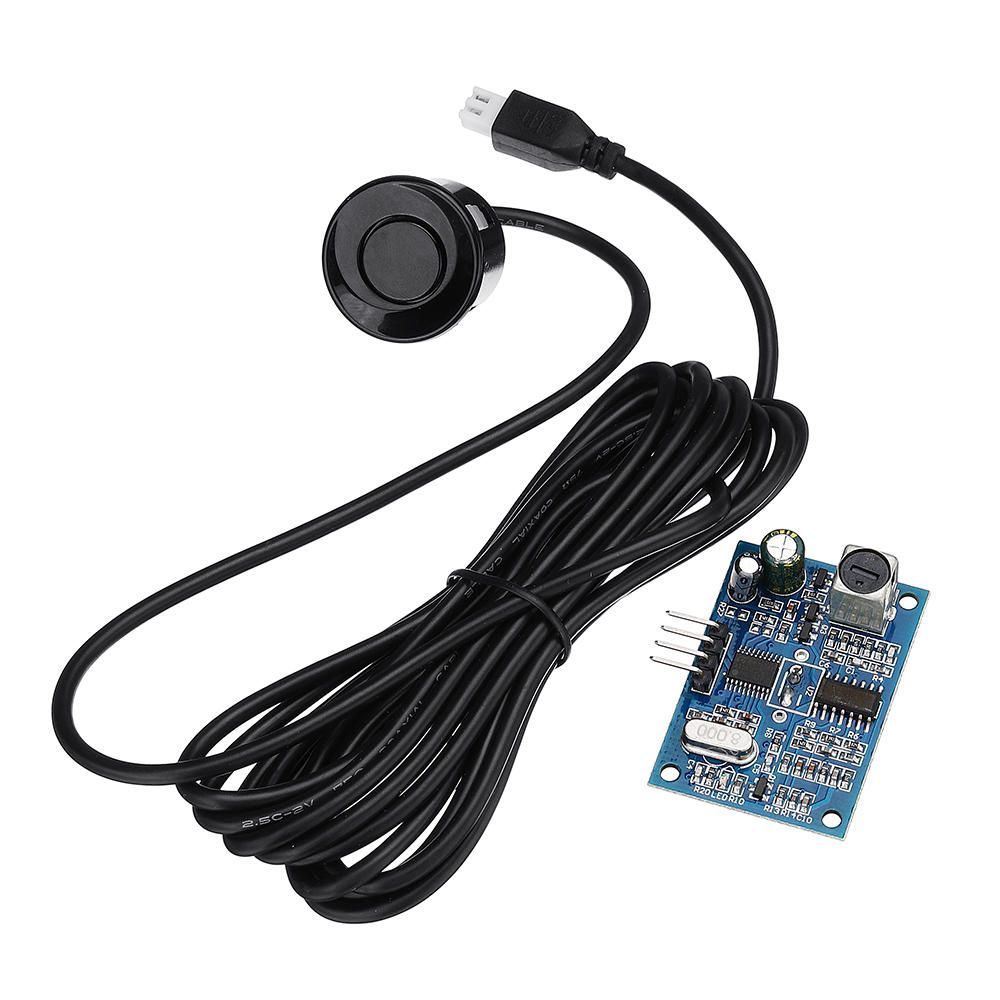
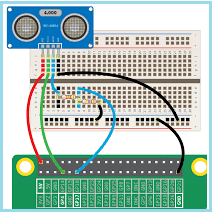
Ultrasonic sensors emit an ultrasonic pulse which is reflected by objects in its path and the reflected wave enters the sonic cone. They employ sound waves to detect objects, so color and transparency do not affect them( though extreme textures might).
Comparision of Proximity Sensors
To understand more about these sensors, please refer the below comparision table:
Types |
Inductive sensor |
Optical sensor |
Magnetic sensor |
Capacitive sensor |
Ultrasonic sensor |
| Principle | It uses current induced by magnetic fields to detect nearby metal objects | An optical sensor converts light rays into an electrical signal | Based on a mechanical principle detected the magnetic field | Base on an electronic principle where an electrical field is produced on the active side | Based on an ultrasonic source and receiver in the same device |
| Material detected | Metallic only | All material | Magnet | All material | All material |
| Operating distance | Low:<50mm | Medium:<100mm | Medium:<80mm | Low:<50mm | Large:15m |
| Robustness to vibration | High | High |
Hall-effect: High Reed-techno : Low |
High | Low |
| Cost | Low | Medium | Low | Medium | High |
| Sensitivity | Any | Dust, oil, aspect of object |
Hall effect-sensitive EMC Reed techno- magnetic field disturbances |
Humidity& vapors | Air flow& temperature variation |
| Applications |
1.Machine- tolls, assembly line, automative industry 2.Detection of metal parts in harsh environments 3.High speed moving parts |
1.Object detection on conveyor 2.Carton counting 3.Product sorting 4.Contrast detection |
1. Object detection |
1. Final inspection on packaging lines 2.Measurements of the filling level of the liquids or granuals through the walls of plastic or glass tanks |
1.Passage of objects on conveyor: glass bottles, cardboard Packaging 2.Filling level of liquids in a bottle or of granulatesin a plastic injection machine 3. Depth of cavity |
What is a proximity sensor used for?
and here is the list of applications,
- Object detection
- Counting of pieces
- Velocity measurements
- Rotation
- Positioning objects / containers
- Detection of materials
- Determine the direction of movement
- Monitoring of tools
- Detection of liquid levels
- Distance measuring
- Machine Protection
- Edge detection of an object
- Gear Checking
- Detection of metal objects
- Positioning fork lift truck
- Positioning of equipment in stock
- Detection and filling quantities
- Obstacle detection
Hope this article helps you to understand about 5 types of proximity sensor; their specifications and how they work according with their principle.
We at Robu.in hope that you found it interesting and that you will come back for more of our educational blogs.



Leave a Comment Your email address will not be published. Required fields are marked*