


 Sell on Robu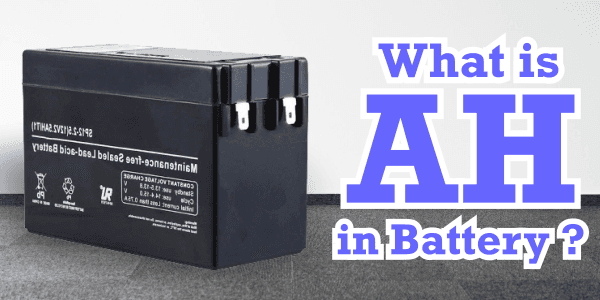


Hello Everyone! Today we have become a lot dependent on batteries because of its applications and the innumerable places it is useful to power electrical devices.
With extensive research and innovations, many companies have brought out many types of batteries which are made for its specified applications. Some are lightweight, some have more electric power etc.
Watch the video below to find out what's next in this blog.
What is AH in Battery?
You might have seen a lot of batteries having AH written on them along with some numerical numbers. But have you wondered what is Ah in battery? AH is basically Ampere Hour.
An Ampere Hour is the amount of energy charge in a battery that allows one ampere/1000 mAh of current to flow in one hour. The number of amperes can vary with batteries.
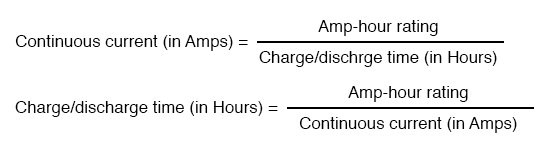
We can calculate the amp hour rating of a battery by multiplying the current by the discharge time or we can calculate the amount of time the battery will last while supplying a certain amount of current.

For example, A 12V 8Ah Battery is used to supply power to a system with a current draw of 0.5 Amperes. How long will the battery last?
Using the same equation in the first example we get:
Amp Hour (Ah) = Current (I) x Discharge Time (T)
8Ah = (0.5 Amperes) x T
T = 8Ah / 0.5 A
T = 16 Hours
Thus this battery will power your system up to 16 hours. This is the easiest way to predict how long your battery will last.
The batteries will deliver the as much current as of the load needs. The amount of current that the load draws solely depends on the load. It gives you an estimate of the battery life.
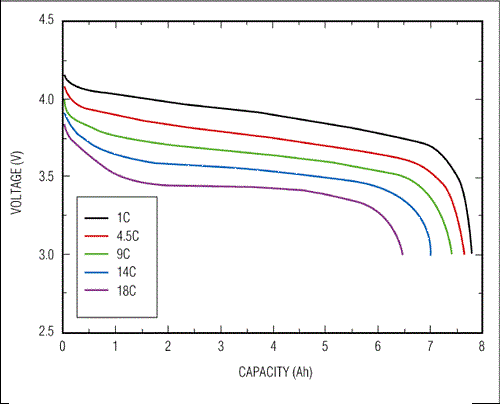
Battery capacity is somewhat dependent on discharge current at higher discharge current, the battery capacity decreases. I hope now you can answer what is Ah in Battery?
To know more about working of Li-ion battery click here!
Here are discharge curves that illustrate this. The same battery was discharged at different rates.
What is Watt-hours ?
Now you may be confused as to how do batteries with the same Ah, some batteries deliver more electric energy for a longer period of time.
Batteries with a higher voltage will deliver more energy. Another unit that can be useful to calculate the stored energy of the battery is Watt-hours.
Volt x Amp-hours = Watt-hours
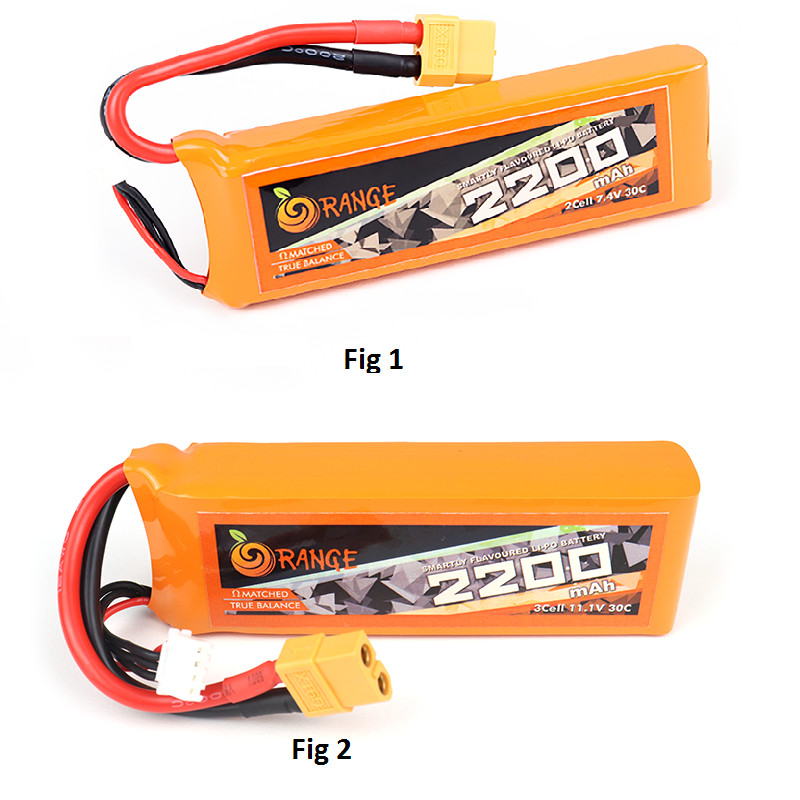
In the above image as you can see both batteries have the same Amp-hours. So does it mean that they hold the same amount of energy? Nope! The battery in fig 1 has a voltage of 7.2V and the Fig 2 battery has a voltage of 11.1V.
Thus if we calculate their Watt-hours
7.2V x 2.2Ah = 15.84Wh - for Fig 1 battery.
11.1V x 2.2Ah = 24.42Wh – for Fig 2 battery.
Thus now it’s obvious which battery has more energy.
The voltage is usually a critical parameter for a battery, once we select a voltage, then the capacity can specify by the amp-hour rating. The battery having more watt-hours will have more energy than the other.
Another common terminology that we can use is C-Rating. The C-Rating is a way of describing how much current the battery can safely deliver.
Conclusion
- The Amp-hour is a unit of battery energy capacity, equal to the amount of continuous current multiplied by the discharge time that a battery can supply before exhausting its internal store of chemical energy.
- An Amp-hour battery rating is only an approximation of the battery’s charge capacity and should be trusted only at the current level or the time specified by the manufacturer. Such a rating cannot be extrapolated for high currents or very long times with any accuracy.
I hope you have understood what is Ah in battery and how batteries with the same Ah can store more electrical energy in them.
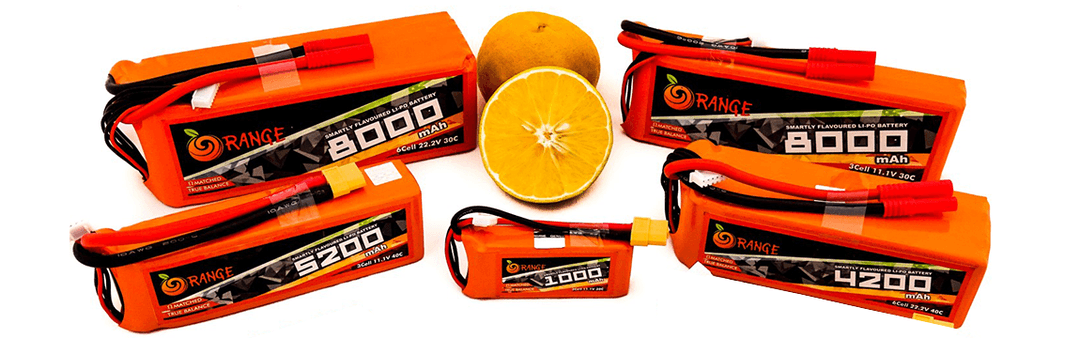
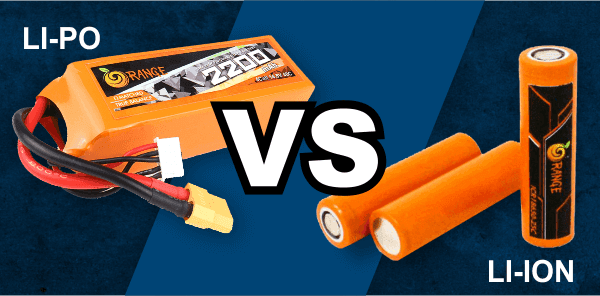
I will wrap this article with some of the types of batteries that are available in the market and are useful in almost every application.
To know more about how to choose lipo battery for drone click here!






ishdemon10
Tuesday, June 23, 2020