


 Sell on Robu


Lithium-ion or Lithium-polymer
Do you know what are the difference between Li-ion and Li-polymer battery?
[caption id="attachment_743925" align="aligncenter" width="600"]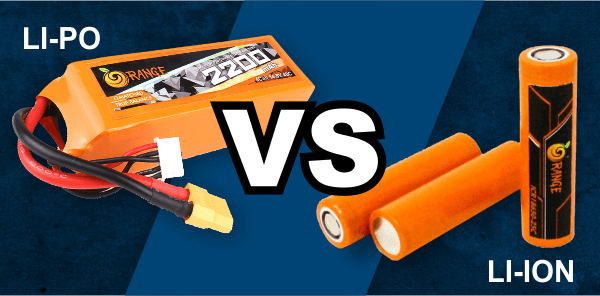 [/caption]
According to the electrolyte materials, Li-ion battery divided into liquid lithium ion battery and polymer lithium battery or plastic lithium battery.
In this blog, we’re going to review about the differences between Li-ion and Li-polymer battery. we hope to give you the information you need to make the best possible choice!
Lithium-ion Battery
The most significant difference between lithium-ion and lithium-polymer batteries is the chemical electrolyte between their positive and negative electrodes. Both lithium-ion and lithium-polymer batteries have their pros and cons. Typically, the advantages of a lithium-ion are their high power density and lower cost than lithium-polymer battery. Lithium-ion batteries are incredibly efficient. Li-ion in a more flexible casing.
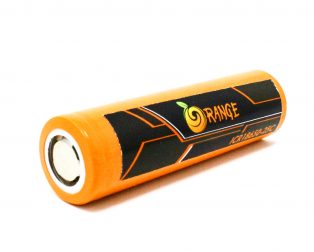
Lithium-ion batteries are inherently unstable, suffer from aging, and are potentially dangerous. As Li-ion batteries have become more popular in
Lithium-Polymer battery:
On the other hand, Li-Po batteries are generally robust and flexible. Especially when it comes to the size and shape of their build.
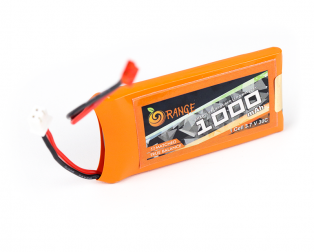
They are also lightweight, have an extremely low profile and have a lower chance of suffering from leaking electrolyte. But Li-Po batteries aren’t perfect as they are significantly more costly to manufacture and they do not the same energy density nor lifespan as a lithium-ion.
Lithium-ion Battery vs Lithium-polymer Battery
In the below table, we covered all the parameters of both lithium-ion and lithium-Polymer battery.
Parameters |
Li-ion battery |
Li-polymer battery |
|
Usable voltage range |
from 3V to 4.2V |
From 3V to 4.2V |
|
Energy density |
High energy density |
Low and decreased cycle count compared to Li-ion |
|
Flexibility |
Low |
High |
|
Weight |
Relatively heavier |
Light weight |
|
Safety/Explosive risk |
More volatile as compared to Li-Po |
More safety. Less chances to explosion |
|
Charging duration |
Relatively longer charge |
Shorter charge |
|
Cost |
Cheaper |
Slightly expensive |
|
Capacity |
Relatively lower |
same volume Li-Po batteries, capacity is around 2 times of Li-ion battery |
|
Life span |
Long |
Long |
|
Aging |
Loses actual charging capacity over time |
Retains charging capacity better than Li-ion |
|
Temperature range usage |
-20 to 60º C |
-20 to 70º C |
|
Impedance |
<100 mΩ |
<50 mΩ |
|
Charge temperature |
0 to 40º C |
0 to 40º C |
|
Storage temperature |
-20 to 35º C |
-20 to 35º C |
|
Applications |
Used in power backups/UPS, Mobile, Laptops, and other commonly used consumer electronic goods. Also used in Electric mobility and Energy Storage Systems |
Mostly used i radio controller equipments and aircrafts,Mobile, laptops and other commonly used electronic products. Also, used in Electrical vehicles. |
Hope this article helps you to understand the actual difference between Lithium-ion and Lithium- Polymer battery.
We at Robu.in hope that you found it interesting and that you will come back for more of our educational blogs.
MUST READ BLOGS on BATTERY



Ron Spinabella
Sunday, April 21, 2024