


 Sell on Robu


What is Lithium Iron Phosphate battery?
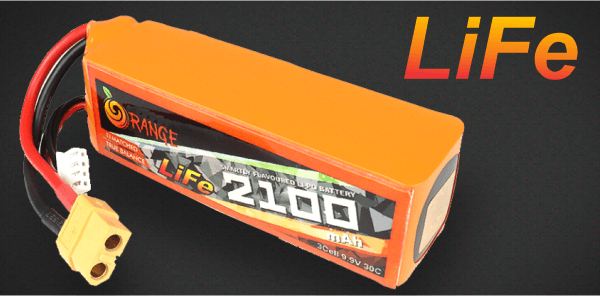
Lithium Iron Phosphate battery is new generation Lithium-ion rechargeable battery. The abbreviations of this batteries are Li-Fe/ LiFePO4 battery.
The LiFePO4 battery uses a lithium-ion-derived chemistry. The first model of the lithium iron phosphate battery made after the discovery of phosphate as a cathode material for use in li-ion batteries in 1996. Improvements in the coatings and usage of nano-scale phosphate have made this type of battery more efficient.
This battery uses in the high power applications, such as Electric Vehicles, Power Tool, and RC hobby. These batteries offers high service life and efficiency without need to be charged. These batteries offer high electrochemical performance with less resistance due to the use of nano-scale cathode material. This new battery type is set to dominate the market.
Based upon lithium ion technology, LiFePO4 batteries offer many advantages over lithium cobalt dioxide (LiCoO2) batteries which are commonly used in laptops, mp3 players and cell phones.
Features of LiFePO4 battery
Lithium iron phosphate batteries have number of distinctive features, like
- Low discharge rate
- Better power density
- Less heating
- Flat discharge curve
- Increased safety
- Higher charge cycles
- non-explosive
The main thing is that the lithium iron phosphate batteries have from other Li-ion batteries which is capable of offering a constant voltage and comparatively high charge life in the range of 2000-3000.
These batteries are structurally stable and environmentally safe. They have a low discharge rate and lesser energy density. These batteries do not heat easily and they are cooler as compare to other batteries.
Mostly, the lithium Iron Phosphate batteries involves in the R&D activities. The market involves wide-ranging investments and the return on investment is a quiet time taking method.
Cell configuration of Li-FePO4 battery:
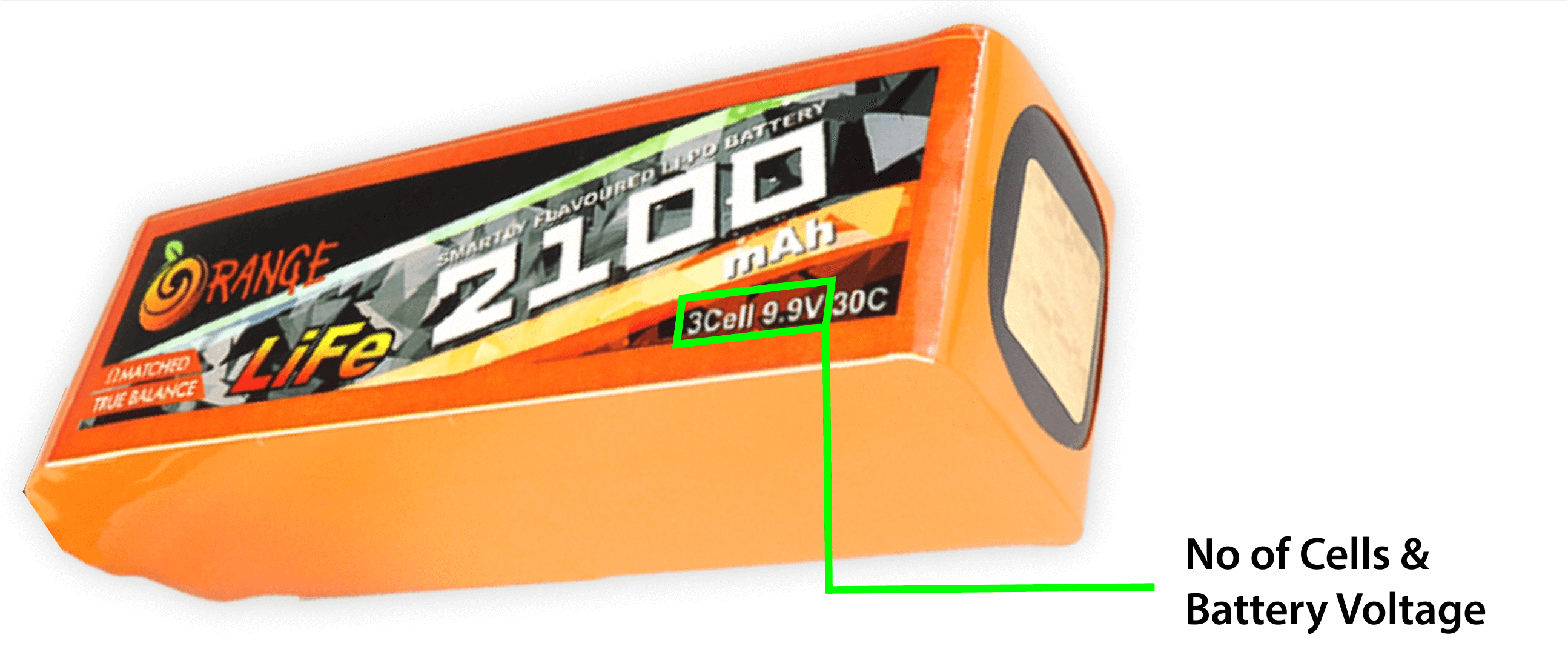
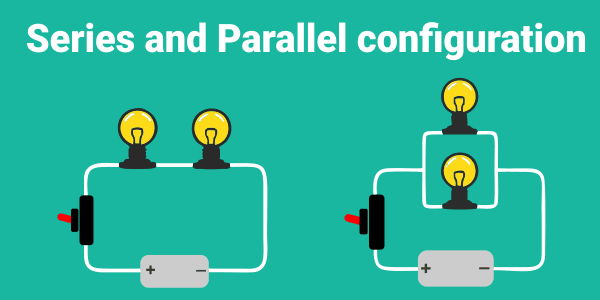
You can increase the voltage of the battery using a series connection of the cells. Also, by making the parallel connection of the cells, the battery current will be increased. The safe operating voltage range of Li-FePO4 is, from 2.5V to 3.6V. For cell configuration of the Li-FePO4, follow the below table,
Number of cells |
cut-off voltage |
Nominal voltage |
Maximum voltage |
|
1 cell |
2.5V |
3.2V |
3.65V |
|
2 cell |
5.0V |
7.4V |
7.3V |
|
3 cell |
7.5V |
9.6V |
10.95V |
|
4 cell |
10.0V |
12.8V |
14.6V |
|
5 cell |
12.5V |
16.0V |
18.25V |
|
6 cell |
15.0V |
19.2V |
21.9V |
1. Cut off voltage:
The cut-off voltage is the voltage at which a battery discharges completely. Discharging the battery below Cutoff voltage 2.5V could cause irreversible performance lost and even damage to the battery.
2. Nominal Voltage:
The nominal voltage of the Li-FePO4 is 3.2V. It is storage mode voltage of the battery.
3. Maximum/full charged voltage:
The maximum/full charge voltage is the voltage at which a battery reaches its maximum voltage. If you charge the battery above 3.65V, it is dangerous and eventually causes a fire.
Advantages of Li-FePO4 battery
Lithium Iron Phosphate batteries offered some major advantage which include high operating temperature range, wide cycling performance, high efficiency, and low internal resistance among others.
- Very safe and secure technology (No Thermal Runaway)
- Very low toxicity for environment (use of iron, graphite and phosphate)
- Calendar life > 10 ans
- Cycle life : from 2000 to several thousand
- Operational temperature range :up to 70°C
- Constant power throughout the discharge range
- Ease of recycling
- These batteries have a longer life span than conventional lead acid batteries. It dramatically diminishes the need for battery changes.
- These batteries operate with the lower resistance and hence,
- Lithium iron phosphate batteries are lightweight than lead acid batteries, generally weighing about ¼ less.
- These batteries offers twice battery capacity with the similar amount of space.
Life-cycle of Lithium Iron Phosphate technology (LiFePO4)
Lithium Iron Phosphate technology allows the greatest number of charge / discharge cycles. That is why this technology is mainly adopted in stationary energy storage systems (self-consumption, Off-Grid, UPS, etc.) for applications requiring long life. The actual number of cycles that can be performed depends on several factors:
- Quality of Lithium Cell
- Level of power in C-Rate (1C rate means full discharge or charge in 1 hour, 2C is the same but in half an hour)
- Depth of Discharge (DOD)
- Operational environment: temperature, humidity, etc.
Application of Li-FePO4 battery
Because LiFePO4 batteries offers tremendous advantages including high specific capacity and greatly enhanced cycle life, and very low weight, these batteries are ideal for below applications,
- Boats/Kayaks
- Communications Equipment including Ham Radio
- E-Bikes / E-Scooters / Small Vehicles
- Electric Golf Caddy
- used as energy Storage to charge the portable electronics like smart phones, laptops etc
- General Purpose Equipment like audio amplifiers, cell phones, computers, portable projectors, etc. Instrumentation equipment includes various types of sensors used to monitor the environment.
- LiFePO4 batteries can be combined with a solar panel and solar controller. The solar panel can charge the LiFePO4 battery while at the same time provide power to an electrical load.
- And Many, More Applications!
Hope this article helps you to understand the new technology of Lithium-iron phosphate battery.
We at Robu.in hope that you found it interesting and that you will come back for more of our educational blogs.
MUST READ BLOGS ON BATTERY



Leave a Comment Your email address will not be published. Required fields are marked*